A large portion of my favorite art and artists frame themselves as “anti-capitalist”. Now, I know I am repeatedly on the record saying that the terms “capitalism” and “socialism” have been stripped of most meaning at this point, with limited ability to communicate any useful information save group signaling or mood affiliation (i.e. everything I don’t like is an exemplar of late-stage capitalism or crypto Marxist socialism), but the language is used enough within the art I like that it’s worth pondering a moment.
Now, I think it’s a bit of a trap to impose strong interpretations on how artists interpret themselves or their art. It’s their art, not mine. I also think it’s a memeable offense to try to “gotcha” artists who sell their art in the marketplace as capitalists who doth protest too much.
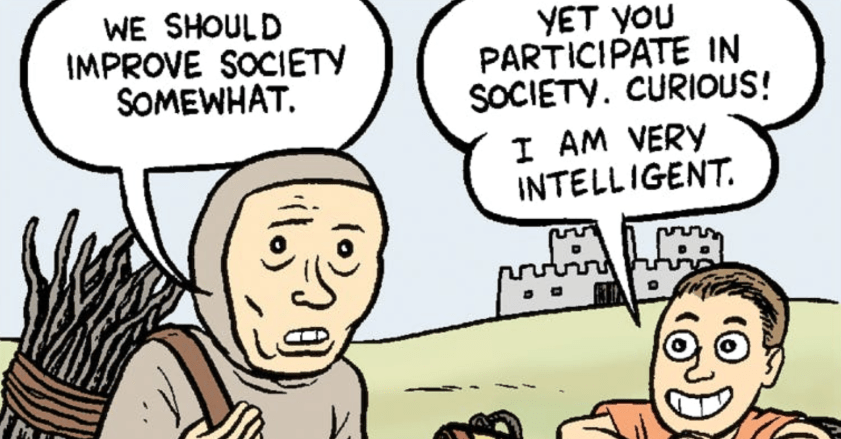
Yeah, I get it, everyone has to eat, even if you would prefer to live in a socialist utopia. I do think there is more worth untangling, though, and as an act of good faith I will spoil part of my conclusion. I don’t think there is anti-capitalism art anymore than there is pro-capitalism art. Rather, I think there is art and there is propaganda.
Art is one of many luxuries yielded by the remainder of time not subsumed by the needs of survival. A society that builds within itself a marketplace that rewards specialization, innovation, and efficiency will find itself suffused in art. I’m sure there are things beyond relationships, purpose, and art that make life worth living, but I can’t think of any. If in pursuing your purpose you can find art and build community, well, that’s a life well-lived.
So does art depend on the marketplace or is it an act of rebellion against it? Can it be both? I think it can. The true threat to art is not the intercession of commerce but service to power. Art is characterized more than anything by a direct, if parasocial, relationship between the artist and their audience. Service to power corrupts that relationship, demanding service to an intentionally unobserved third party. The perceived communication from the artist is now an act of deception, surrepticiously communicating the preferred messaging of the third-party. Beyond just robbing the artist of their integrity, it undermines the confidence an audience can have in all the art it consumes. Propaganda is, in this manner, a negative externality, polluting everything that art can and does provide in our lives.
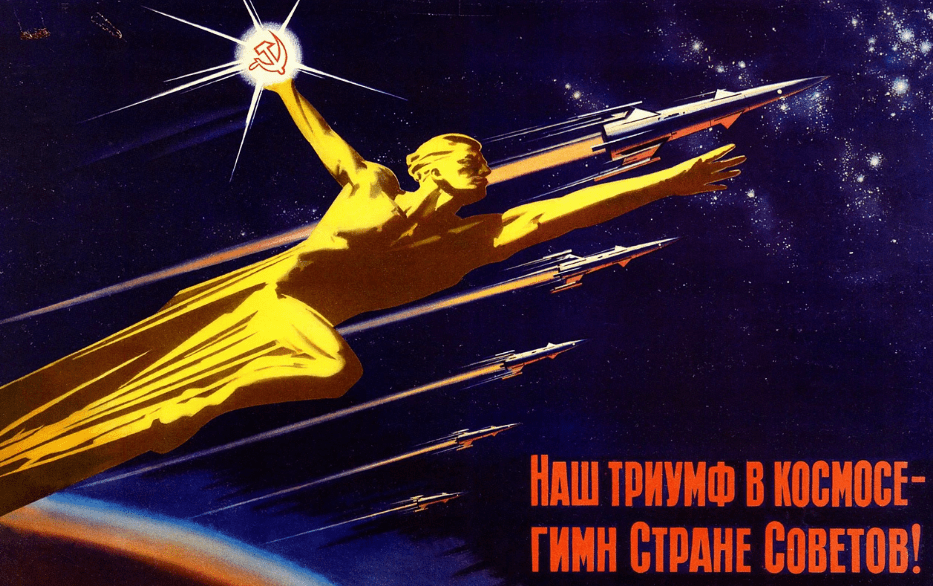
When writers and other artists complain about the interventions of private equity, they are complaining about a couple things. First, and probably foremost, it is often the insistence on a revenue model (high risk, high growth) that simply does not translate to the current media landscape. It’s a bad model and makes for bad business. It should not be ignored, however, that one of the failures that a high-growth revenue model brings to a media context is a necessary subserviance to power. Service to large equity stakes (i.e. evil rich people), yes, but also service to regulatory authorties, cultural authorities, anyone and everyone that might derail your path to the hearts of the largest common denominator, to the other side of a dreamed of (and likely wholly imaginary) tipping point beyond which the glories of power law scaling will turn your tens of millions into hundreds of billions.
When a story teller places you in a dystopian future where the vagaries of a galactic-scale marketplace lead to the devaluing of life on wholesale planetss in service to the profits of preexisting conglomerates, corporations, and sultanates, it is often framed as anti-capitalist fiction. And that’s a natural summation: people are commodified, exchanged, and disposed of. But of course the power behind commodification comes with military bodies, royal lineages, and a sci-fi feudalism whose roots always trace back eventually coercive force. Commerce may be the engine producing the resources underpinning your evil army (soldiers gotta have something to eat, a way to get there, and something to shoot), but in the end the big bad evil empire is always pointing a gun.
Conversely, when a comedian both sets up shop in Austin, TX and underpins a genre of comedy that frames itself as “anti-woke”, it is not disappinting to most artists because it is “pro-capitalism”. It’s disappointing because once you scratch the surface, it becomes clear it is in service of power. It’s not aligning itself as anti-woke because there are three words that audiences will shame them for using. It’s doing so in the hopes that punching down on the same vulnerable, (often extremely) small minority populations targeted by other locuses of political and media power, they can acquire the same kind of most-favored nation status that have lifted the careers of others whose mediocre talents were insuffient to garner an audience on their own.
Art is inherently, maybe even necessarily, anti-power, because there is no room in the relationship with it’s audience for the interests of a third party. Art needs patrons, yes. The marketplace is a boon to the production and consumption of art. But when the movies, television, writing, music, video games, dance, etc of our lives is compelled to serve the interests of anyone but the artist and the audience, people sniff it out. They rebel. They blame. Whether they blame the market, the government, or religious authorities, well, that just depends on the current framing of power. And honestly, I’m not sure the framing matters all that much. It might show up in the artist’s statement next to the installation or in their AMA on reddit, but most people don’t read those, they already know who to be mad at. And besides, the art already exists. They don’t need intervention from any third-parties, maybe not even the artists.
 Economist Writing Every Day
Try talking to some Singaporeans (or so) about food.
LikeLike
Truly so, though I will offer the defense that I file food under “community”. Meals are meant to be consumed together!
LikeLike