Mike Mulligan and His Steam Shovel, by Virginia Lee Burton, is a classic 1939 children’s book about a man, Mike Mulligan, and his beloved steam shovel, Mary Anne, who are replaced by modern machinery. They get one last chance to demonstrate their worth by digging the cellar for a new town hall in a single day.
This book is more than just a nostalgic children’s story with a happy ending. This is a tale about economic history, comparative advantage, non-pecuniary benefits, labor and capital heterogeneity, and, of course, transaction costs.
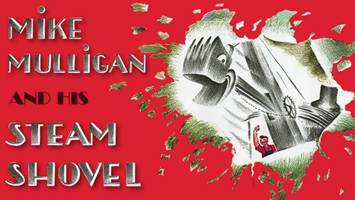
Here’s some background. Historically, excavating or earth-moving equipment was powered by steam. Much like a steam engine locomotive (train), a steam shovel burns coal to heat water in a boiler, creating steam that can drive pistons that operate the mechanics. The result is machinery that can move a greater volume of soil at a faster speed than humans with simple hand shovels. Advancements in oil extraction and refining and internal combustion made the steam methods obsolete. Diesel or gasoline made earth movers safer, faster, and larger all because there was no need to build high pressures from boiling water. Steam pressure in the field takes a lot of time and is dangerous.
Here is how the story goes. Mike enjoys his earth-moving work with his steam-shovel and is proud to be more productive than hand-shovels. One day, diesel, electric, and gasoline-powered shovels arrive. They’re bigger and better than Mary Anne. She is now obsolete. It’s unclear whether Mike’s skills are transferable to the newer equipment, but he implicitly prefers working with Mary Anne. Together, they can’t compete in the urban areas where the value placed on quick excavation is high. So, they flee to the countryside.
The text doesn’t say why the newer shovels aren’t in the countryside. Let’s address that first. The new shovels haven’t spread to the rural areas because the opportunity cost is too high. Diesel Shovels are expensive and the owners/operators need revenue from many jobs in order to pay for their equipment in a reasonable amount of time and earn a positive return. Rural areas don’t have the same willingness to pay for as many projects, so less specialized capital is limited by the smaller extent of the market. Clearly, a higher cost of capital – the cost of the loan that pays for the diesel shovels or the alternative uses of the resources – accentuate the necessity for project volume.
Mary Anne, the outdated steam shovel, is only outdated in urban settings. She is still pretty good at digging generally. While Mary Anne hasn’t lost her comparative advantage in digging, she does seem to have lost her absolute advantage. She’s just not as good as the new models. At the same time, it’s not obvious that she’s any good at other activities. She is far and away still much better at digging than she is at doing other things.
An important part of this story is that capital is heterogeneous. Mike could sell Mary Anne, converting her into cash and then investing his resources elsewhere. But given her obsolescence, selling her for scrap would yield little value and investing in a newer shovel would put him in debt. Debt is not always bad, but that may be what is underlying Mike’s decision. The text earlier expounds on Mike and Mary Anne’s many digging achievements. So, it may be that Mike is older and doesn’t have the future income stream that could reasonably service a debt obligation. Maybe he could sell any potential new equipment when he retires, but depreciation may reduce the future value more than what would make sense for him.
Regardless, Mike finds himself in the country with Mary Anne after reading about the rural town of Popperville’s plan to build a new town hall, including a cellar. The town manager is preparing to hire a week’s worth of workers to dig the cellar. But, Mike moves first and submits his bid – he has the first-mover advantage. Given his low opportunity cost, he offers to dig-out the entire cellar within a single day. Otherwise, the price of his services is $0. The town manager incredulously agrees.
There’s this weird implicit dynamic in the story where Mike feels compelled to demonstrate his usefulness to society. This is also economics! We consume the stories that we tell ourselves and, to the extent that reality provides feedback about our story, we want to enjoy the consumption rather than be tormented by it. This is why Mike proposes such a deal to the town manager. The short timeline increases his risk of failure and lowers his expected revenue of the project. But, if he’s successful, then he both gets paid and gets to consume the narrative that he and his steam shovel can still proficiently serve mankind – or at least the people of Popperville.
The story proceeds with Mike and Mary Anne digging the cellar. As onlookers congregate, the stakes of the endeavor increase. Witnesses to his failure would hurt more and witnesses to celebrate his triumph would be the icing on the cake. Because he’s already locked into the contract, loss aversion and the greater acclaim of success fervently drive his efforts. It’s a real nail-biter.
Finally, Mike and Mary Anne declare victory and the townspeople cheer. But the town manager, eager to disqualify Mike’s efforts, points out that the steam-shovel is stuck inside the newly dug cellar. With all of the commotion, Mike had neglected to build a ramp so that Mary Anne could exit once the job was complete. There is a brief moment of despair among the crowd and especially Mike.
But heterogeneous capital and Mike’s low opportunity cost once again rear their heads. Mike proposes that Mary Anne stays in the cellar *permanently*. He proposes that she be converted to a furnace and boiler to help heat the new Town Hall. Implicitly, Mike would be employed as a sort of groundskeeper. Transaction costs rule the day. Mike’s employment prospects were already thin. Mary Anne appeared destined for the scrap heap and getting her out of the cellar would be costly. Mike can claim victory, get paid, get a job, and consume the story of Mary Anne’s usefulness if the town manager accepts the deal. The town manager basically gets a week’s worth of work done in a single day, plus avoids purchasing a furnace if he simply pays for Mary Anne’s conversion. Since Mike has literally dug himself into a hole, this is a win-win for everyone.
The town manager accepts the deal and everyone enjoys the subsequent stream of benefits. And they all lived happily ever after, less depreciation.
 Economist Writing Every Day
Great summary of a family favorite tale – – similar to other stories written about that time about the plucky little steam locomotives facing displacement by the proud, new diesel engines.
LikeLike