Mike Mulligan and His Steam Shovel, by Virginia Lee Burton, is a classic 1939 children’s book about a man, Mike Mulligan, and his beloved steam shovel, Mary Anne, who are replaced by modern machinery. They get one last chance to demonstrate their worth by digging the cellar for a new town hall in a single day.
This book is more than just a nostalgic children’s story with a happy ending. This is a tale about economic history, comparative advantage, non-pecuniary benefits, labor and capital heterogeneity, and, of course, transaction costs.
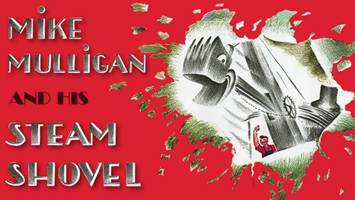
Here’s some background. Historically, excavating or earth-moving equipment was powered by steam. Much like a steam engine locomotive (train), a steam shovel burns coal to heat water in a boiler, creating steam that can drive pistons that operate the mechanics. The result is machinery that can move a greater volume of soil at a faster speed than humans with simple hand shovels. Advancements in oil extraction and refining and internal combustion made the steam methods obsolete. Diesel or gasoline made earth movers safer, faster, and larger all because there was no need to build high pressures from boiling water. Steam pressure in the field takes a lot of time and is dangerous.
Here is how the story goes. Mike enjoys his earth-moving work with his steam-shovel and is proud to be more productive than hand-shovels. One day, diesel, electric, and gasoline-powered shovels arrive. They’re bigger and better than Mary Anne. She is now obsolete. It’s unclear whether Mike’s skills are transferable to the newer equipment, but he implicitly prefers working with Mary Anne. Together, they can’t compete in the urban areas where the value placed on quick excavation is high. So, they flee to the countryside.
The text doesn’t say why the newer shovels aren’t in the countryside. Let’s address that first. The new shovels haven’t spread to the rural areas because the opportunity cost is too high. Diesel Shovels are expensive and the owners/operators need revenue from many jobs in order to pay for their equipment in a reasonable amount of time and earn a positive return. Rural areas don’t have the same willingness to pay for as many projects, so less specialized capital is limited by the smaller extent of the market. Clearly, a higher cost of capital – the cost of the loan that pays for the diesel shovels or the alternative uses of the resources – accentuate the necessity for project volume.
Continue reading Economist Writing Every Day